
Site visit and utility locate
We assess stump diameter, access routes, surface roots, nearby structures, and whether utility locates (811) are needed. This visit sets the grind depth recommendation and machine selection.
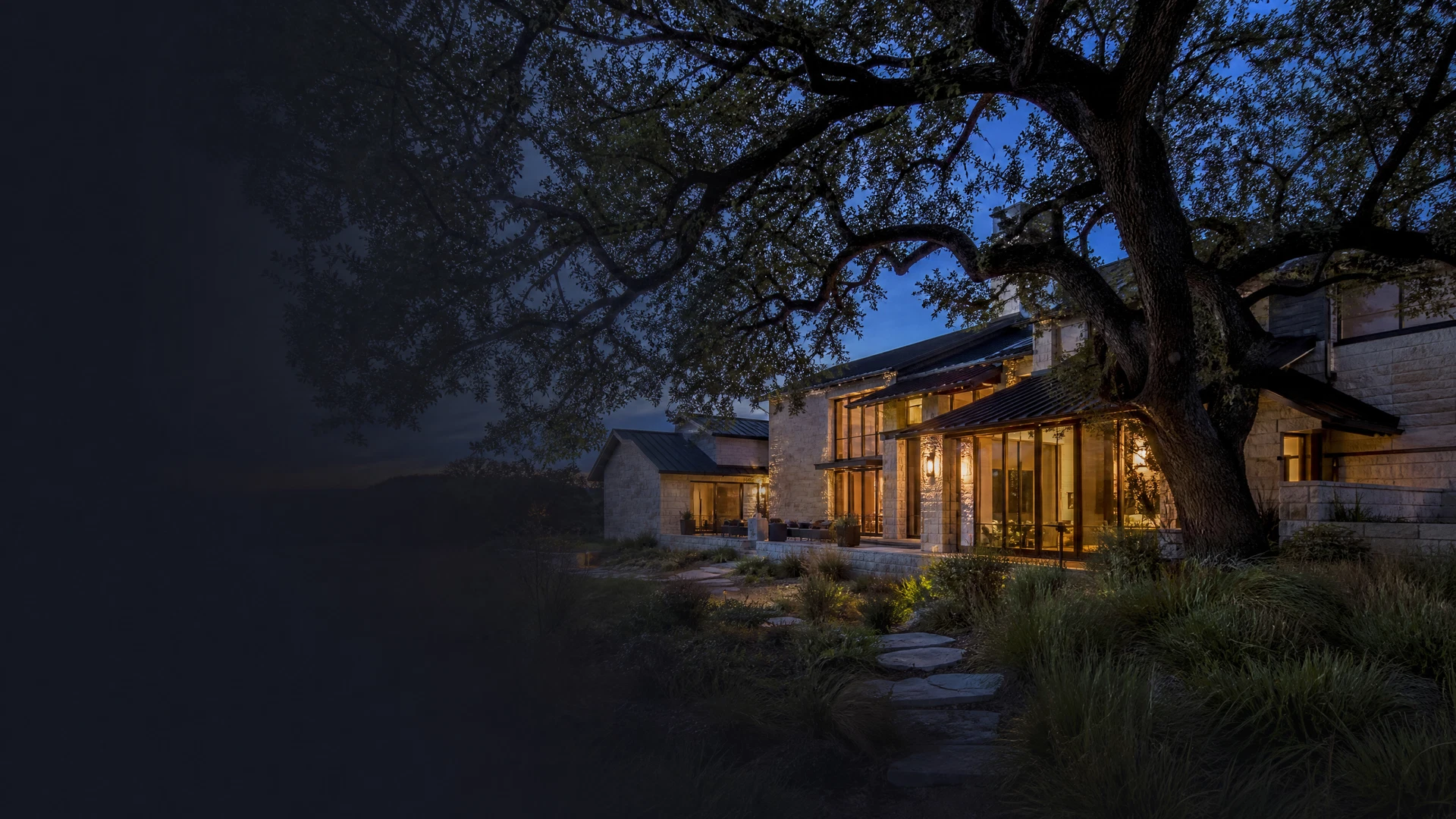
Stump grinding — Cedar Park
Practical, site‑aware stump grinding for live oaks, cedar elms, Ashe juniper and pecans. We explain how diameter, access, utilities, grind depth, surface roots, chips and replanting work in Cedar Park’s limestone‑influenced neighborhoods.
Cedar Park / service guide
A property guide for cedar park / service guide frames the questions that shape access, protection, timing, and the intended finish before a written scope.
01
Stump grinding reduces a tree stump to wood chips by mechanically grinding the visible trunk and major roots to a chosen depth below grade. For most Cedar Park yards this is the fastest, least invasive way to remove a stump while leaving most of the root mass in place. That matters in thin, limestone‑influenced soils where full root excavation can cause greater disturbance and hauling scope.
Choose grinding when you want a cleaner yard surface quickly, less excavation, and lower cost than full stump removal. If you plan a heavy construction project, a full stump and root removal may still be necessary; we’ll explain the tradeoffs during the site visit so you can decide.
The work, in order
We assess stump diameter, access routes, surface roots, nearby structures, and whether utility locates (811) are needed. This visit sets the grind depth recommendation and machine selection.
We move loose items, place plywood to protect lawns and hardscapes when a machine must cross them, and protect retained trees and beds from chips.
Using the appropriate grinder, we reduce the stump and major roots to the depth you selected, taking care near sidewalks, patios and irrigation lines.
We either haul chips away or leave them on site, then backfill with compacted topsoil or a screened mix if requested. Proposal will list the option you select.
We walk the job with you, explain expected settling, and offer replanting recommendations suited to Cedar Park soils and species.

Property note
A service becomes a real scope only when the tree is considered alongside the property, circulation, structures, protection, and material plan.
02
Diameter is one of the biggest scope drivers. Larger stumps take longer to grind and may require a larger machine or hand‑grinding to finish flush. On tight Cedar Park lots—common in established and newer suburban neighborhoods—machine size is limited by gateways, fences, and landscaping. We size the equipment to the access available and explain the options when a big stump sits on a narrow driveway or behind a locked gate.
Ashe juniper and pecan stumps tend to grind differently than live oak or cedar elm because wood density and root thickness vary. When surface roots run under patios or sidewalks we’ll flag those areas up front and describe whether additional grinding or targeted root cutting is needed.
03
Before any grind we verify buried utilities and overhead clearances. In Cedar Park call 811 for utility locates and let us know if your site has known private lines. Work near energized lines belongs with the utility—do not attempt to move or work on energized conductors. Also consider the city’s right‑of‑way clearance guidance: keep at least eight feet of vertical clearance over sidewalks and fourteen feet over streets when limbs or removal activity might affect those spaces.
Many Cedar Park subdivisions were built with tree protections from development eras; permits or notification may be required to remove a stump on a public tree or a protected species. We’ll point out likely permit needs, but confirm current requirements for your exact address with the city planning office.
04
Typical grind depths vary by purpose. For a tidy lawn finish we usually grind the stump 6–12 inches below grade. If you want to replant in the exact footprint, we often recommend deeper grinding—12–24 inches—so future planting has fewer large roots to contend with. The final depth also depends on root structure and proximity to structures; in limestone areas soil pockets can be shallow and deep grinding risks undermining nearby slabs or fences.
Surface roots are common under sidewalks and shallow limestone terraces. We can grind to remove visible surface roots but we won’t recommend aggressive rooting excavation that compromises sidewalks or foundations. When roots are lifting hardscape, the better long‑term solution can be repair or replacement of the hardscape rather than deeper root removal.
05
Grinding produces wood chips and a mix of soil and sawdust. You can choose to keep the chips for mulch or have us haul them off. On many Cedar Park lots homeowners keep chips for garden use or spread them thinly as temporary ground cover; fresh chips will tie up nitrogen for a season, so plan accordingly before planting. If you want the stump hole backfilled, we offer a compacted topsoil or sand mix to restore grade.
Cleanup includes sweeping and a magnet pass for nails if the stump was near structures. We can leave a small visible mound to allow for settling or grade it flush depending on your preference. If you request a written quote, the proposal will list chip handling, backfill composition, and any additional hauling charges so there are no surprises.
06
Expect some settling where the stump and major roots were ground. Over months the sawdust and chips break down and the ground will compact; we advise rechecking grade and adding topsoil as needed before planting. In Cedar Park’s limestone‑influenced soils, choose tree species and planting practices suited for shallow, calcareous soils to improve establishment success.
If you plan to replant in the exact footprint, we’ll talk through realistic limits. Large species like live oaks need room and root volume—replacing a large oak with the same species where a big stump was ground is often impractical without significant excavation and soil amendments. For most yards a smaller specimen or a different species suited to thin soils is the better path.
From the property owner
“Excellent service. Great communications, skills and professionalism! Stuck to the quoted price and cleaned up afterwards. Will use again!”
Considered answers
Depth depends on your goals and the site. For a clean lawn finish we typically grind 6–12 inches below grade. For a footprint intended for replanting we recommend deeper grinding—often 12–24 inches—when soil conditions allow. In Cedar Park the thin limestone soils sometimes limit how deep we can grind without affecting nearby slabs or utilities; we’ll confirm the maximum safe depth during the site visit.
You can keep the chips for mulch or compost, or we can haul them away. If you keep fresh chips, remember they can temporarily tie up nitrogen in the soil as they decompose; don’t plant immediately in a pile of fresh chips. If you want the stump area ready for planting, choose the haul‑off plus screened topsoil backfill option in the quote.
Yes, but we follow right‑of‑way guidance: maintain about eight feet of vertical clearance over sidewalks and fourteen feet over streets when pruning or removing trees that could affect those spaces. If the stump or roots are lifting a public sidewalk or are on city property, city permits or coordination may be required. For work near overhead or buried utilities, call 811 and let us know so we can plan safely; work on energized lines belongs with the utility.
Grinding removes the above‑ground portion of the trunk and major root collars, which usually reduces the energy available for resprouting. Some species, especially certain elms and pecan rootstocks, can still send up shoots from roots; follow‑up removal of suckers or targeted treatments managed by a tree care specialist may be needed. We’ll point out likely sprouting species during the site review.
Where this work happens
Private assessment
Tell us where the tree stands, what changed, and what it could reach. We will clarify the next step before work begins.
For urgent work, call (512) 387-2671