
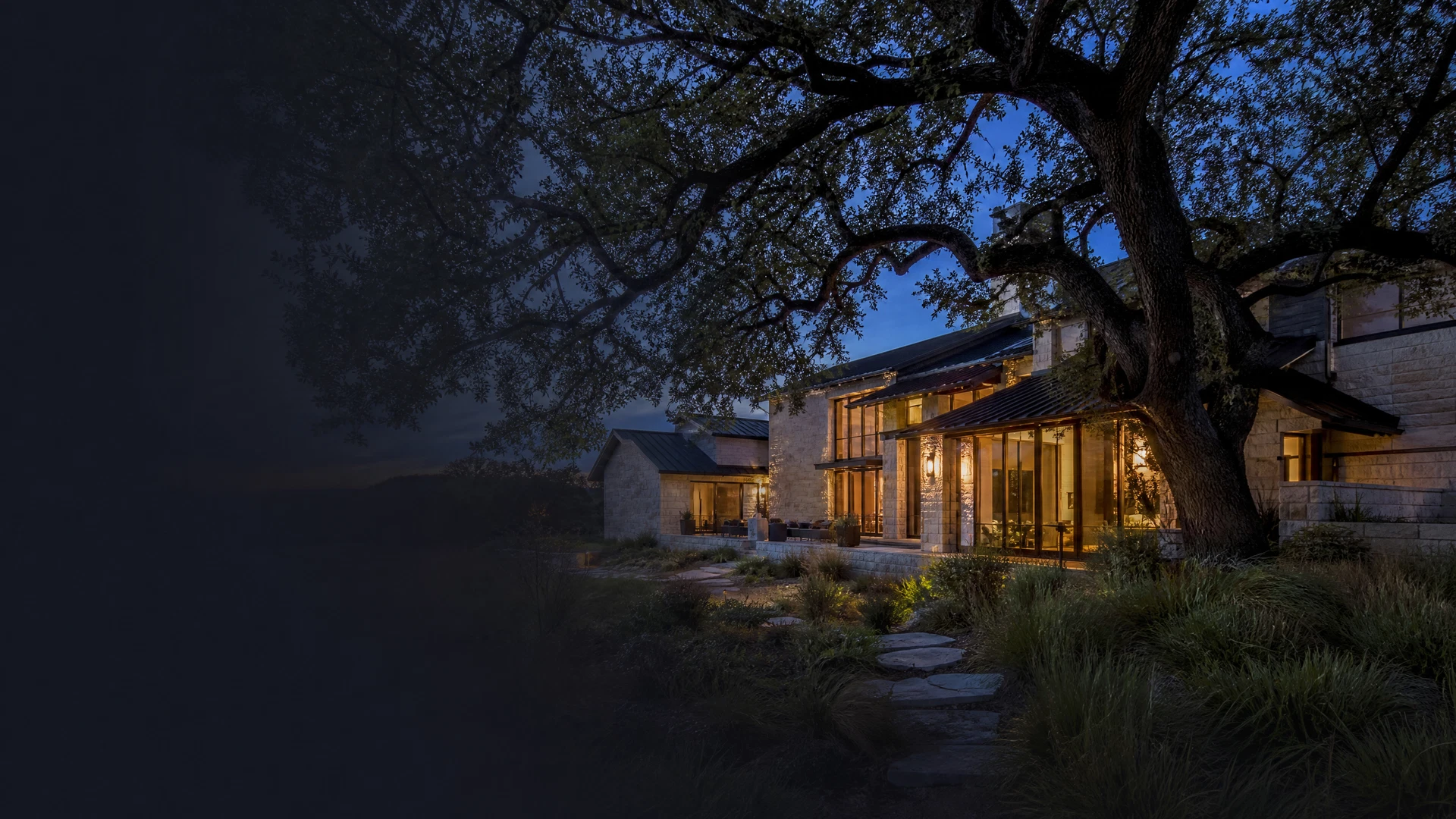
Tarrytown tree care — tight yards, big oaks, careful rigging
Tree care for Tarrytown properties.
Mature live oaks and pecans, narrow access, pools, walls and waterfront slopes require a focused approach. We favor controlled rigging and pruning that preserves structure and property.
Tarrytown / local guide
A property guide for tarrytown / local guide frames the questions that shape access, protection, timing, and the intended finish before a written scope.
01
Tarrytown context: trees, homes, and access constraints
Tarrytown properties typically have mature live oaks and pecans on compact lots, often with renovated historic homes, narrow side yards and features like pools, stone walls, and driveways that can’t be disturbed. On the lake side, slopes and steep banks add another layer of complexity: equipment placement, limb-lowering angles and erosion control all influence how we approach a job. Those constraints push work toward hand techniques, small-footprint equipment and careful routing of debris out of the property.
Overhead lines, neighbors’ yards, and shared fences are common concerns. Work near energized lines belongs with the utility; we coordinate with them when necessary and plan our rigging to avoid energization zones. Because many Tarrytown trees are mature and valuable for shade and character, our default is preservation-minded pruning and controlled rigging rather than large, blunt cuts or heavy machinery whenever feasible.
02
Services we provide and how they tie together
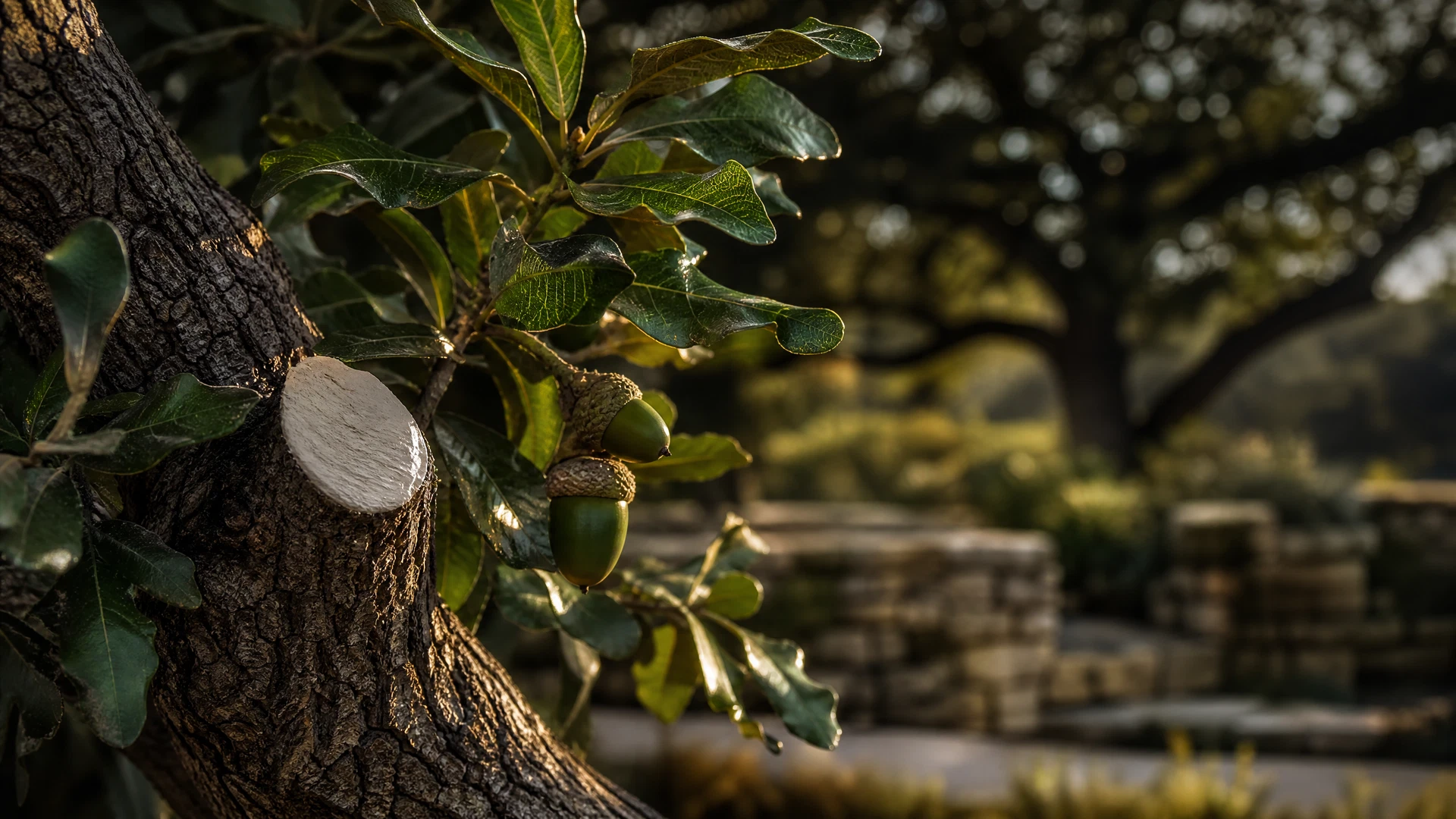
We offer inspection and assessment, selective pruning to improve structure and clearance, controlled rigging and sectional removal, stump grinding and cleanup, and protected-tree review and permit help. Those services are not siloed — an inspection often leads directly into a pruning plan, then detailed rigging and a careful clean-up sequence. For example, pruning to reduce sail area and remove deadwood can extend a tree’s life and delay full removal; when removal is unavoidable we use sectional lowering to protect pools, roofs and walls.
Decision boundaries are explicit: prune when defects are manageable and the tree’s location and root zone allow preservation; remove when there are irreparable structural failures, advanced root decay affecting foundations, or when the tree poses a clear, imminent hazard. We’ll point out when the property will get better long-term value from retention versus replacement and document the reasons so you can submit permit requests if needed.
03
Typical work sequence on a Tarrytown property
We start with an on-site assessment to record species, size, defects, access, overhead lines and nearby features like pools and retaining walls. That assessment produces a scope of work and safety notes; if a protected-tree review or city permit looks likely we’ll identify the permitting pathway and timing. The assessment is visual — we do not diagnose tree disease from photos or guarantee diagnosis without an in-depth evaluation.
After agreement on scope we schedule: site prep (protecting irrigation, pool decks and landscaping), traffic and driveway planning, and a rigging strategy. Crews perform pruning or sectional removal using rope-and-pulley lowering where needed, chip material on-site or haul it out per your preference, then grind stumps and restore immediate work areas. We document completed work and leave a clear disposal plan if the tree is protected and needs reporting.
Property note
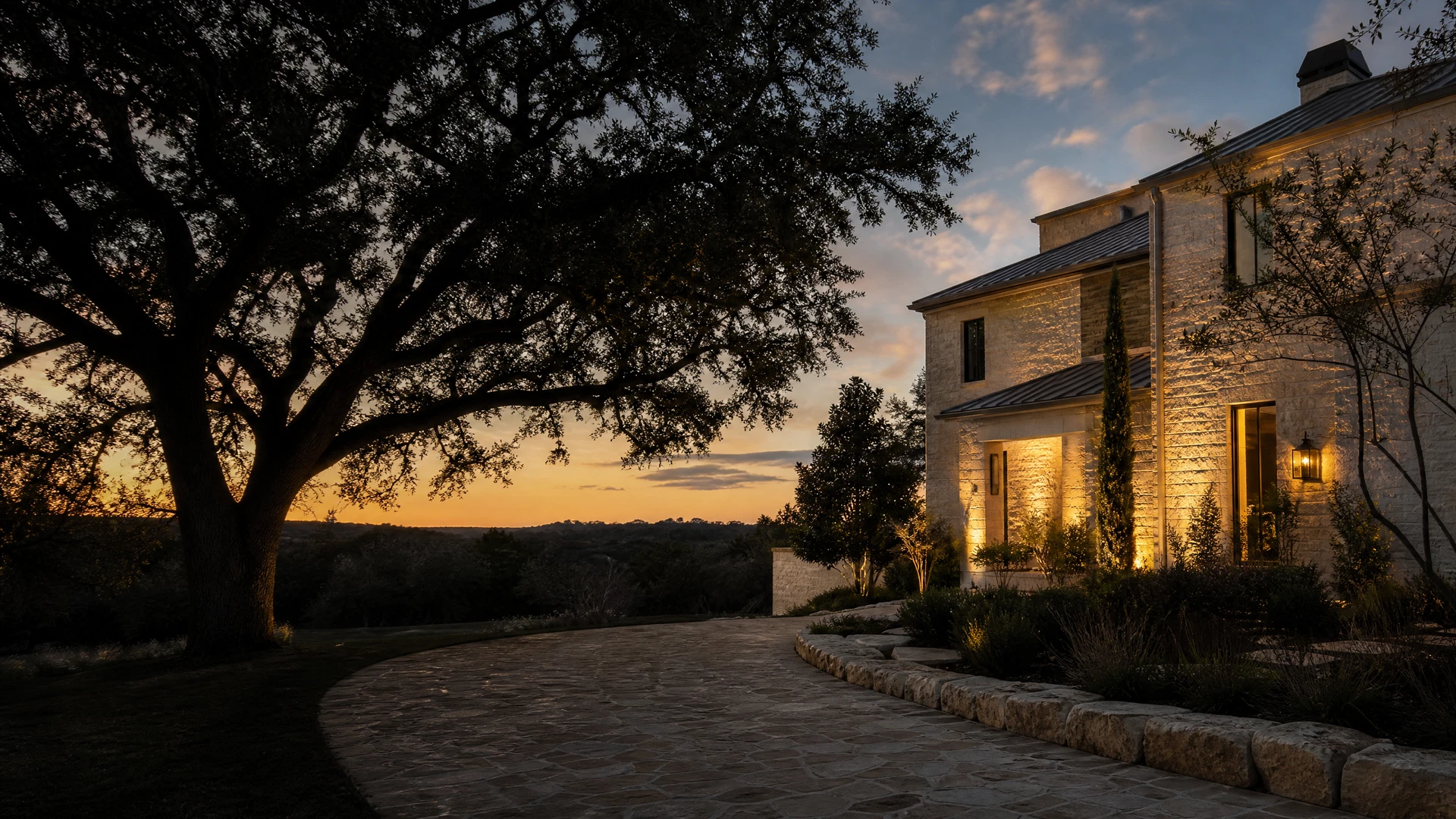
The property in context
Local ground, growth, access, nearby structures, and municipal context can shape the work. The address is where the practical plan becomes clear.
From the property owner
“James was knowledgeable and thorough with the best approach to preserve the trees during the hot Summer months. Great job!”
04
Cost drivers specific to Central Texas and Tarrytown
In Tarrytown the biggest scope drivers are tree species and size (live oaks and pecans are heavy, dense wood), complexity of access (narrow side yards or steep lake-side slopes), proximity to structures and utilities, and required rigging equipment and crew time. Jobs that need trucks parked on the street, lane closures, or extra labor to move material through tight gates increase cost. If a protected-tree review or permit is needed, permit requirements and time to secure approvals can also affect the schedule and total expense.
Season and biological issues matter here. Oak-wilt awareness affects pruning timing and wound management; we advise on pruning practices and refer suspected disease cases to a specialist for diagnosis and diagnostic guidance and referral options. Always confirm current permitting rules and protected-tree thresholds for your specific address with the city or county before proceeding.
05
Controlled rigging and preservation-minded pruning near pools and walls
When houses have pools, masonry walls or delicate landscaping, we plan rigging so limbs are lowered by hand or with mechanical advantage rather than dropped. That means more time on the rigging floor and smaller, deliberate cuts from the canopy to control weight and trajectory. The goal is to protect hardscape and finish surfaces — chip where possible and hand-haul through gates to avoid drive-over damage.
Preservation-minded pruning focuses on correcting structural faults, removing deadwood, and reducing wind sail while keeping the tree’s natural form. We explain tradeoffs: heavier pruning will lower future maintenance but can stress a mature oak; lighter, staged pruning preserves canopy health but may require follow-up work. You’ll get the options, the expected outcomes and the maintenance path for each.
06
Protected trees, permits and neighborhood rules
Many Tarrytown properties fall under protected-tree rules at the city level or have neighborhood historic guidelines; some trees may require formal review before significant pruning or removal. We can flag which trees look likely to need permits and compile the documentation you’ll want to submit. Because rules change, please confirm current requirements for your address with local authorities — we’ll help where we can but recommend you verify before scheduling work that depends on approvals.
Homeowners associations can add another layer of review. If your property borders the lake or sits on a steep slope, erosion-control measures and timing restrictions may apply. Work near energized lines must be handled by the utility; we’ll coordinate and adjust our plan if a utility crew is required to de-energize or clear the line before we proceed.
Where this work happens
Where this work happens in the Austin area
Considered answers
Straight answers about Tarrytown
Will you prune or remove my mature live oak, and how do you decide?
We prioritize pruning for long-term retention when structural problems are fixable and the tree’s location and root zone allow it. Removal is recommended when there is clear structural failure, advanced root decay affecting foundations, or an imminent safety hazard. We’ll explain tradeoffs: pruning can preserve shade and value but may need follow-ups; removal eliminates the hazard but starts a landscape change and, in many cases, a permit process.
How do you protect pools, walls and narrow side yards during removal?
We design a lowering plan that uses ropes, pulleys and hand-fed chipping to control where each limb goes. We install protective materials over sensitive surfaces, hand-haul through gates when needed, and stage equipment to minimize ground pressure. If a job needs heavy equipment that risks hardscape, we lay mats or recommend temporary fencing and access improvements to keep damage off your property.
Do Tarrytown trees need permits or protected-tree reviews?
Many Tarrytown trees can fall under protected-tree rules or neighborhood review depending on species, size and location. We flag cases that look likely to require a permit and gather measurements and photos you can use in an application. Rules change, so confirm current requirements for your specific address with the relevant city office; we’ll help provide the documentation you need.
Can you identify oak-wilt or other diseases from a photo and treat it?
We do not diagnose tree disease from photos. We can point out signs that merit further evaluation — unusual leaf drop, streaking or rapid decline — and refer you to a qualified tree-health specialist for diagnosis and diagnostic guidance and referral options. For oak-wilt we provide guidance on pruning practices and removal/disposal precautions but do not perform injections or claim treatment; consult a tree-health professional for treatment plans.
Private assessment
Begin with the property.
Tell us where the tree stands, what changed, and what it could reach. We will clarify the next step before work begins.
For urgent work, call (512) 387-2671