Veteran-owned tree service · Austin area24/7 tree emergency: (512) 387-2671
Iron Branch Tree Services Request an assessment
Menu
Services
Service areasReviewsOur standardContactRequest an assessment
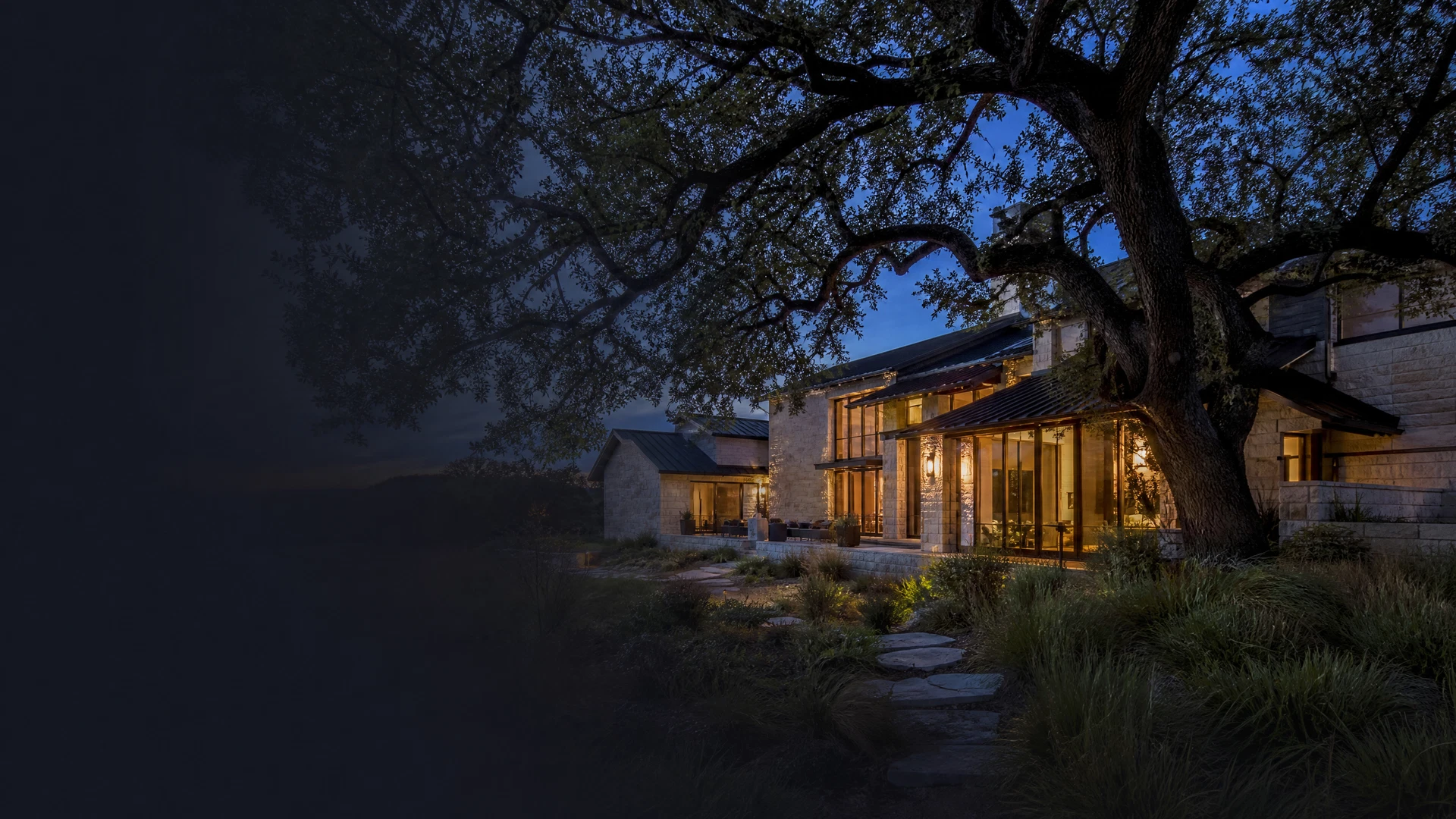
Illustrative restored garden edge on a Central Texas property

Stump grinding & site restoration — Georgetown

Stump grinding in Georgetown, finished well.

Practical, site‑specific guidance for homeowners working in the San Gabriel corridor and older Georgetown neighborhoods. We explain scope drivers, the crew's process, local soil factors, and permit and replanting limits tied to Georgetown's heritage‑tree review.

Georgetown / service guide

A property guide for georgetown / service guide frames the questions that shape access, protection, timing, and the intended finish before a written scope.

01

Why stump grinding matters in Georgetown

Mature live oaks, cedar elms and pecans are common across Georgetown's older central lots and newer subdivisions along the San Gabriel corridor. Those trees leave large, contoured root systems that affect how we grind stumps and restore a planting area. Limestone benches and clay transitions in many yards change how wood and soil decompose and how quickly a hole will settle after backfill.

Stump grinding is not just a cosmetic step. Removing the visible trunk eliminates tripping hazards and makes mowing and construction possible. For homeowners thinking about replanting, driveway changes, or building a patio, the depth of the grind and how we handle surface roots become central decisions that affect future soil stability and planting success.

Illustrative Central Texas residential tree and property detail
Illustrative Georgetown site study — access and protection are planned before equipment arrives.

The work, in order

A controlled sequence from assessment to close

01

1) On‑site inspection and measurement

We measure stump diameters, check access, locate visible utilities, and assess soil—especially limestone or clay layers. This visit sets the scope and any need to coordinate with the utility or city on heritage‑tree requirements.

02

2) Permits and coordination

If the site falls under Georgetown's heritage‑tree review or requires a city permit, we pause until approvals are clear. For underground utilities we advise calling 811; work near energized lines must be handled by the utility or scheduled with them.

03

3) Grinding and root management

We position the appropriate grinder, remove the trunk to the agreed depth, and address surface roots within the agreed limits to avoid destabilizing neighboring trees.

04

4) Chips, cleanup and hauling

You choose whether chips stay as mulch or are hauled away. We rake, blow out the site, and remove large debris. For multiple stumps we stage chips for reuse or removal to minimize yard disturbance.

05

5) Backfill, compaction and replanting guidance

We backfill with a mix of topsoil and existing material, mechanically compact to reduce settling, and leave clear replanting guidance based on soil depth, space, and any Georgetown replanting rules.

Illustrative Central Texas residential tree and property detail

Property note

The property in context

A service becomes a real scope only when the tree is considered alongside the property, circulation, structures, protection, and material plan.

02

What drives cost: diameter, access and utilities

Diameter is the single most straightforward cost driver. A 12–18 inch stump is quick; 30–40 inch trunks from mature live oaks take more passes and heavier equipment. Access changes the equation: long, narrow driveways, gates under 32 inches, steep slopes, or yards with retaining walls require smaller machines or hand work and add labor time.

Underground utilities and irrigation matter. We always locate visible lines during the inspection and advise homeowners to call 811 for buried utilities. If a stump sits near power infrastructure or energized overhead lines, that work belongs with the utility or must be coordinated with them. We won’t grind where a risk to a utility exists until it's marked and appropriately cleared.

03

How deep we grind and what we do about surface roots

Typical grind depth ranges from about 6 inches below finished grade for basic removal up to 12–18 inches when a homeowner plans to replant a tree on the same footprint or needs to compact the site for new construction. Deeper grinding removes more of the root flare and reduces the amount of residual wood that can interfere with roots of a future tree, but it also leaves a larger void that needs better backfill and compaction.

Surface roots—large lateral roots that run close to grade—are handled case by case. We remove small surface roots during the grind and cut larger ones back to allow for grading, but removing major structural roots can destabilize a nearby tree. If the stump belongs to a tree that shares a root system with a living specimen you want to keep, the safest path is limited root cutting and an evaluation of remaining stability.

Illustrative Central Texas residential tree and property detail
Illustrative residential setting — controlled tree work protects the ground, structures, and circulation around it.

04

Chips, cleanup, backfill and settling expectations

After grinding, we can leave chips on site as coarse mulch, blow them into a landscape bed, or haul them off. Chips from oak and pecan tend to be heavier and break down more slowly than cedar elm chips. Leaving chips on a lawn requires spreading and a short period for settlement; we typically spread chips, rake the area, and compact a topsoil/backfill mix so the surface is ready for sod or seed.

Expect some settling during the first 6–12 months as remaining roots and wood decay, especially in clay pockets or where limestone prevents even compaction. We include a modest amount of backfill and compaction in every job, and we explain how much additional settling to expect and whether a follow‑up top‑up of topsoil will be needed before planting.

05

Replanting limits and the Georgetown heritage‑tree review

Georgetown maintains a heritage‑tree review process that differs from Austin's regulations. Some large, specimen trees and protected species are subject to review before removal or replacement plantings are approved. Before you schedule work, check with Georgetown's city planning office for requirements at your address and let us know if your property is subject to a heritage review so we can coordinate timing and documentation.

There are practical replanting limits after grinding: space requirements for root systems, soil depth over limestone, and proximity to foundations or utilities. If you plan to replant a mature live oak or another large tree, we often recommend planting a little off the original stump footprint and matching rootstock size to available soil depth. We can recommend species and placement that avoid conflicts with sewer lines and driveways.

06

When stump grinding is combined with other services

Stump grinding is often one step in a larger tree project. We commonly combine grinding with tree removal, crown reduction or pruning, emergency storm response after wind events, lot clearing before construction, and chipping and hauling of debris. Combining services can lower mobilization scope and produces a coordinated cleanup plan that limits damage to lawn and landscape features.

For storm‑damaged trees along the San Gabriel corridor, we triage hazards first, secure the site, and then plan stump grinding and site restoration as a follow‑up. If a removal creates multiple large stumps across a property, we sequence grinding to maintain access for larger equipment and reduce rework. If you want a full plan, call (512) 387-2671 to request a written quote and a site visit; we’ll outline which services fit your lot.

From the property owner

“James was knowledgeable and thorough with the best approach to preserve the trees during the hot Summer months. Great job!”
5.0 Google rating / 97 reviewsLarry AlonzoRead verified reviews

Considered answers

Straight answers about Georgetown

How deep do you grind a stump in Georgetown?

Typical grind depths are 6–12 inches below grade for general clearance and 12–18 inches when the homeowner plans to replant a tree or needs a more stable base for construction. Deeper grinding removes more root flare but creates a larger void requiring better backfill and compaction. We recommend a site inspection to choose the right depth for your soil and plans.

Can you remove surface roots and will that harm nearby trees?

We remove small surface roots during grinding and may cut larger lateral roots when necessary for grading or construction. Cutting major structural roots that support a nearby living tree can destabilize it; when a stump shares a root system with a tree you want to keep, we limit root cutting and discuss alternatives. If preservation is a priority, let us know before work starts.

What happens to the chips and does the ground settle after grinding?

You can keep chips as coarse mulch, which works well in beds and slows erosion, or we can haul them away. Expect some settling as buried wood decays, especially in clay pockets or where limestone prevents uniform compaction. We include backfill and initial compaction and can schedule a follow‑up to add topsoil after a settling period if needed.

Do I need permission from the city to grind stumps near heritage trees or in older Georgetown neighborhoods?

Possibly. Georgetown uses a heritage‑tree review process that can affect removal and replacement requirements on certain properties. The rules differ from Austin's, so confirm current requirements with Georgetown's planning department for your address. Tell us if your property might be subject to review so we can coordinate timing and documentation; we’ll also help you request a written quote that shows the permit implications.

Where this work happens

Where this work happens in the Austin area

AustinGeorgetownRound RockCedar ParkLeanderHuttoPflugervilleWells BranchSunset ValleyManchacaBudaManorTarrytownHyde ParkAllandaleCrestviewBarton Hills & ZilkerTravis HeightsCircle COak Hill

Private assessment

Begin with the property.

Tell us where the tree stands, what changed, and what it could reach. We will clarify the next step before work begins.

For urgent work, call (512) 387-2671

Your request is sent securely to Iron Branch. For an active emergency, call from a safe location.